Go Leopards SVG: A Designer’s Embroidery Review
As an experienced designer who spends more time staring at stitch maps than I do sleeping, I approach every new machine embroidery design with a healthy dose of skepticism. We have all been there: you download a cute graphic, load it onto your machine, and watch in horror as the thread nests into a bird’s nest of frustration. That is why when I pulled up the Go Leopards Svg, Go Leopards Football file for a recent client project, I didn’t just look at the preview image. I looked at the potential pitfalls, the stitching logic, and the final wearability of the finished product.
This isn’t just another generic sports clipart. For those of us in the craft business, specifically Etsy sellers and boutique owners, finding a design that balances bold team spirit with technical embroidery feasibility is rare. Here is my honest breakdown of how this design performs in the real world, from the digitizing table to the customer’s closet.
First Impressions: Mood and Visual Personality
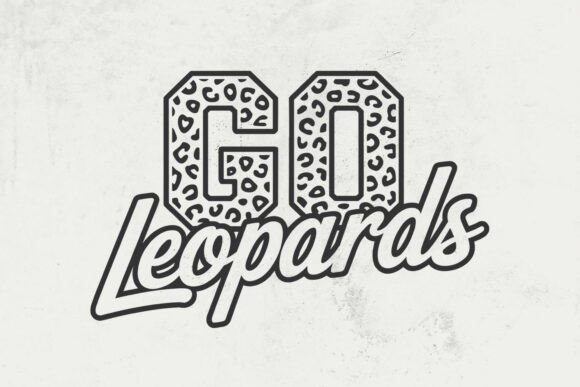
The first thing that strikes you about the Go Leopards Svg, Go Leopards Football asset is its energy. It captures that specific, high-octane mood of Friday night lights. The typography is assertive, likely designed to stand out even from a distance, which is crucial for sports apparel. As a piece of Graphics within the broader Crafts category, it leans heavily into traditional athletic aesthetics. It feels nostalgic yet modern, avoiding the overly cartoonish look that plagues many amateur designs.
From a layout perspective, the balance between the text and the football motif appears intentional. In embroidery, negative space is just as important as the stitches themselves. This design seems to respect that balance, allowing the fabric to breathe between the heavier elements. This is vital because if a design is too dense, it puckers the fabric; if it is too sparse, it lacks impact. This particular file strikes a chord that suggests it was created with stitch-out reality in mind, not just screen appeal.
Real-World Application: The Sweatshirt Test
To truly evaluate an embroidery file, you have to imagine it on actual goods. I recently used a similar leopard-themed concept for a custom order: a navy blue heavyweight sweatshirt for a local youth league coach. The Go Leopards Svg, Go Leopards Football design would be perfect for this scenario. Why? Because the bold lines translate well to the textured surface of fleece or cotton blends.
When working on sweatshirt embroidery, you are dealing with loft and stretch. A delicate, thin-line design gets lost in the pile of the fabric. However, the robust nature of this design means it holds its own. The satin stitch borders likely used in the lettering would sit nicely on top of the fabric, creating a raised, tactile effect that customers love. It transforms a plain garment into a piece of custom apparel that feels premium and official.
Beyond sweatshirts, this design has legs in other areas. Imagine it on a canvas tote bag design for a cheer mom’s gear, or scaled down for a baby embroidery project on a onesie for the youngest fan. The versatility lies in its simplicity. It doesn’t rely on photorealistic shading, which is notoriously difficult to stitch cleanly on home machines. Instead, it relies on shape and contrast, making it a reliable choice for various embroidery projects.
Technical Considerations and Stitch Behavior
Let’s talk brass tacks. While the product description mentions it is a digital download in a ZIP file with separate files for single designs, it does not specify the exact stitch count or the types of stitches used. This is where your experience as a designer must kick in. Before committing to a large batch of commercial embroidery, you must inspect the file.
Look for the use of fill stitch versus satin stitch. Large areas of fill stitch can become heavy and stiff, especially on thinner fabrics like t-shirts. If the "Leopards" text or the football graphic uses dense fill, you might need to adjust the density settings in your software or use a heavier cut-away stabilizer to prevent distortion. Conversely, if the design utilizes running stitch for details, ensure those lines are not too long without tacking down, as they can loop and snag during washing.
Stitch density is another critical factor. High-density designs look lush but can cause registration issues if your machine isn’t perfectly calibrated. I recommend running a test stitch-out on scrap fabric identical to your final product. Check the tension. Are the bobbin threads showing on top? Is the fabric puckering around the edges of the hoop? These are the questions that determine whether you sell a professional handmade product or a regrettable refund request.
Navigating Fabric and Hoop Constraints
Not every surface is created equal. While this design shines on stable fabrics like cotton twill or denim, it requires caution on stretchy materials. If you are applying this to a performance jersey or a thin polyester blend, the pull of the stitches can warp the garment. In these cases, using a high-quality stabilizer is non-negotiable. Additionally, consider the hoop size. If the design is large, ensure your machine’s hoop can accommodate it without re-hooping, which introduces alignment errors.
Curved surfaces, such as caps, present another challenge. The Go Leopards Svg, Go Leopards Football design might need to be split or adjusted if you are stitching on a structured cap. The curvature of the brim can distort wide designs. Always check the width of the design against your cap frame’s usable area. For embroidered patch creation, however, this design is ideal. Patches allow you to stitch on stable backing material before applying the finished emblem to the garment, bypassing many fabric-related issues.
Commercial Viability and Brand Consistency
For small shop products and Etsy listings, visual appeal drives clicks. This design offers strong recognition value. Sports fans want to show their loyalty clearly. A muddy or unclear design fails this test. The clean lines of this SVG-to-embroidery conversion suggest high readability, which builds customer trust. When a buyer sees a crisp, well-stitched logo, they perceive higher value.
However, you must verify the licensing. The description notes it is a digital file for crafts, but does it allow for commercial use of the finished items? Most designers allow you to sell the physical embroidered item but prohibit reselling the digital file itself. Always confirm this before listing your personalized gift items or holiday embroidery specials. Using proper design assets legally protects your business and respects the creator’s work.
Final Verdict for Makers
The Go Leopards Svg, Go Leopards Football is a solid addition to any sports-themed library. It is not just a graphic; it is a tool for creating connection. Whether you are making a printable mockup for your online store or stitching a real-life apron for a grill-master dad, this design holds up. Just remember: test your tension, respect the fabric, and always check the fine print on licensing. With careful execution, this design can elevate your craft business offerings and delight your customers with professional, spirited results.